
Key facts
- Scientists warned that millions of people and billions of dollars in assets could face flood risk by 2050 if subsidence.1
- New research using satellite imagery found that land beneath several major African coastal cities is sinking at a significantly faster.1
- The paper, published in Science Advances, estimated that up to seven million people, one billion buildings.1
New satellite data revealed that some of Africa’s largest coastal cities are sinking at rates far beyond earlier UN estimates.1
Researchers from Virginia Tech tracked land movements as small as 1mm per year across 20 African coastal cities.1
The UN’s Intergovernmental Panel on Climate Change (IPCC) projected in 2021 that Lagos and Alexandria were subsiding at rates far below earlier estimates.1
How the researchers tracked the sinking
Scientists from Virginia Tech used radar data collected by the European Space Agency’s Sentinel-1 satellites to monitor land movement beneath 20 African coastal cities.1
The Sentinel-1 satellites passed over the same locations every six to 12 days, transmitting radar signals that bounced back from the ground.1
Senior author Manoochehr Shirzaei explained that by measuring changes in the time it took for the signal to travel to the surface and return, researchers could detect land movements as small as 1mm per year.1
Cities sinking faster than expected
The ground beneath Alexandria was found to be sinking at an average of 6mm per year.1
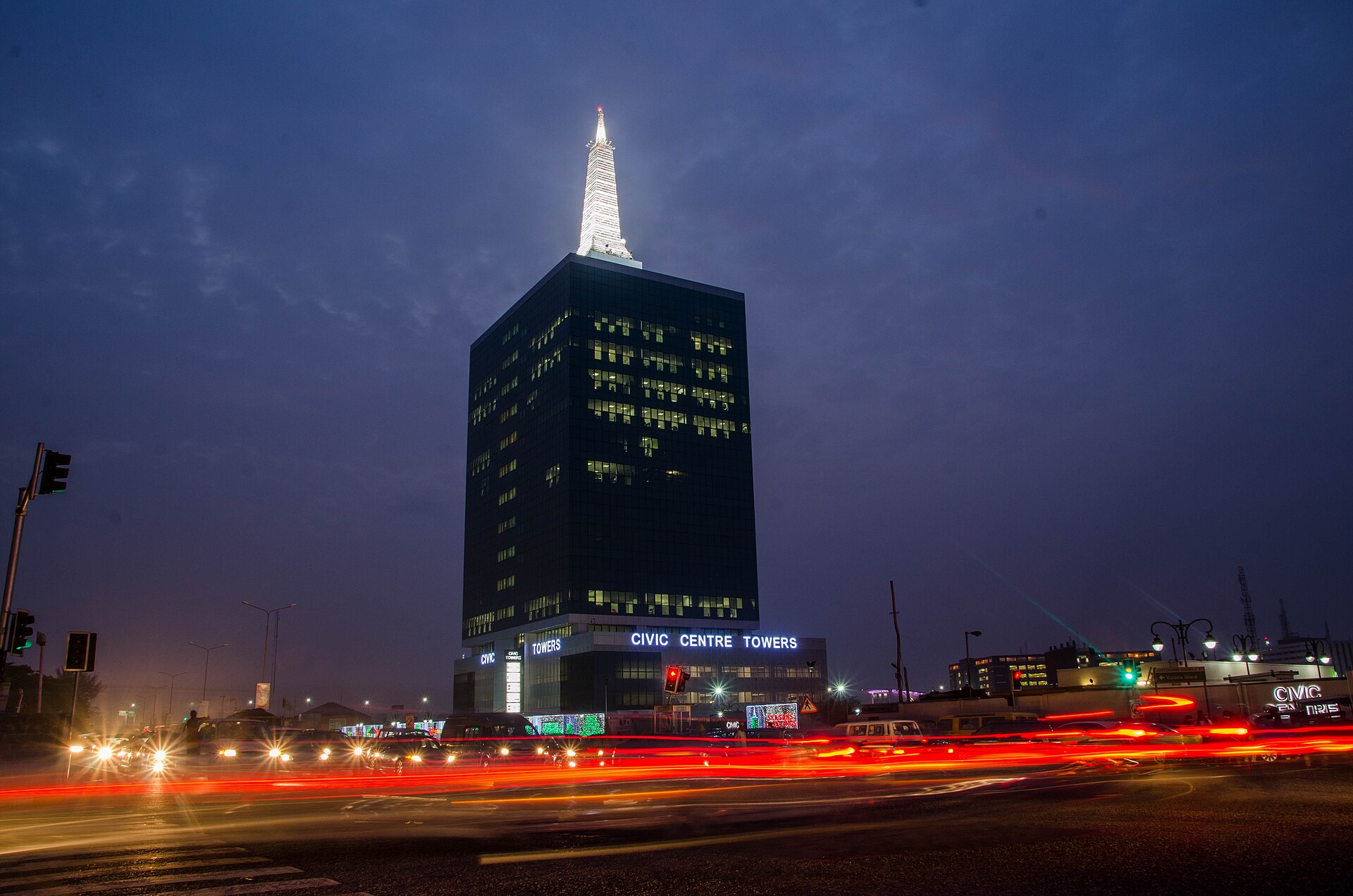
Lagos recorded 5mm per year of subsidence.1
At that rate, sea levels around Alexandria could rise 36% more by 2050 than the IPCC’s middle-range projections foresaw.1
Luanda in Angola recorded significant sinking.1
Durban in South Africa remained relatively stable or even rose slightly.1
What the findings mean for flood risk
The paper, published in Science Advances, estimated that up to seven million people, one billion buildings, and $180bn (£137bn) worth of assets could face flood risk by 2050.1
Lead author Oluwaseyi Dasho said the effects of subsidence “are often invisible in everyday life, but over decades they can substantially increase flood exposure.”1
Land sinks lower relative to sea level, compounding the risks already posed by climate change-driven sea level rises.1
Human causes of subsidence
Researchers identified several human-driven causes of subsidence.1
Rapidly growing cities extract large volumes of groundwater, which can compact the soil beneath the surface and cause it to settle.1
In Lagos, the construction of buildings on loose ground and the reclamation of land from the ocean to build artificial islands are among the likely contributors.1
For Alexandria, the Aswan Dam on the Nile may be preventing sediment from replenishing sinking land downstream.1
Shirzaei noted that man-made causes are “extremely local,” meaning targeted local policies could help address them.1
Potential interventions include diversifying water sources and building flood defences.1
Dasho said he hoped the findings would help African governments “prepare adequately for future challenges and more importantly for the future generations.”1
Shirzaei pointed out that developing countries had largely been excluded from sea-level rise planning due to insufficient monitoring.1
Shirzaei suggested the satellite techniques used in this study could be applied to close knowledge gaps in other vulnerable regions, including the Pacific islands.1