

Key facts
- Attorney General Anthony G. Brown today joined a coalition of 14 attorneys general in filing an amicus brief urging.1
- Attorney General Brown said sports teach young people teamwork, resilience, and what it means to belong.1
- Attorney General Brown and the coalition note that in West Virginia v. B.P.J..1
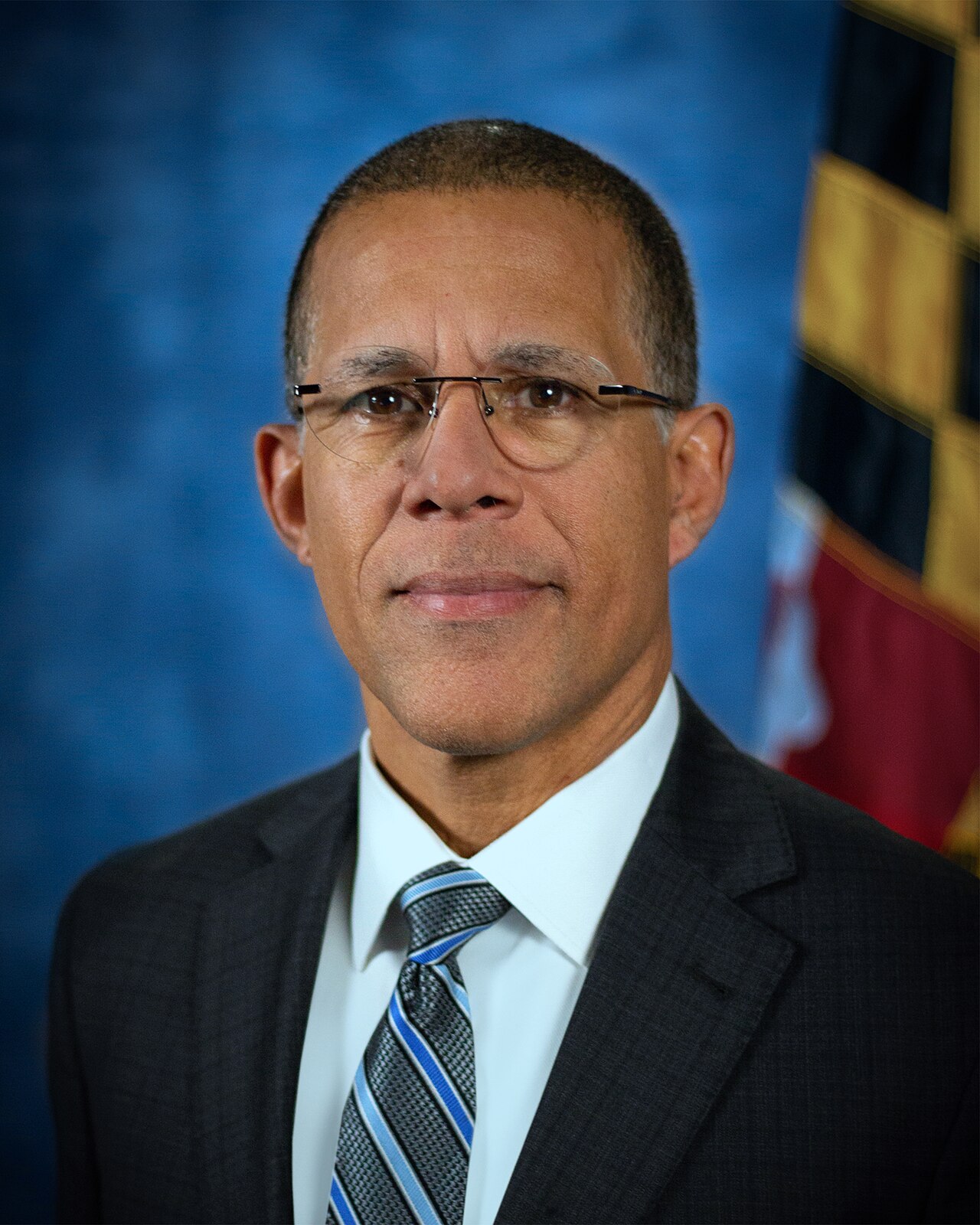
Attorney General Anthony G. Brown today joined a coalition of 14 attorneys general in filing an amicus brief urging the U.S. Court of Appeals for the Ninth Circuit to protect the right of transgender student athletes to participate in school sports that align with their gender identity.1
Brown said sports teach young people teamwork, resilience, and what it means to belong, a feeling that many transgender children rarely experience.1
What the lawsuit is about
On June 9, 2026, Stephanie Lynn Brown and her daughter, K.M.K., a cisgender female student wrestler, sued the Washington Interscholastic Activities Association under Title IX, which bars sex discrimination in educational programs that receive federal financial assistance.1
The lawsuit challenges state and district policies that permit student athletes to compete on the team that aligns with their gender identity.1
As part of their lawsuit, the plaintiffs requested a preliminary injunction that would allow K.M.K. to opt out of any future matches against transgender athletes without competitive consequences.1
A federal district court denied the preliminary injunction request on August 23, 2026.1
Why the brief matters
In their brief, Attorney General Brown and the coalition urge the Ninth Circuit to uphold the denial of a preliminary injunction.1
The coalition argues that federal law does not require schools to exclude transgender athletes from participating in school athletics programs that align with their gender identity.1
The coalition argues that there are significant benefits to states that adopt inclusive and welcoming policies.1
B.P.J., the Supreme Court held that schools may determine eligibility for athletics programs based on sex assigned at birth but are not required to under Title IX.1
In its ruling, the Supreme Court acknowledged that legislatures and schools are “better equipped” to assess “competing medical and scientific considerations and draw appropriate lines.”1
The coalition argues that this precedent is sufficient grounds for the Ninth Circuit to affirm the district court’s denial of the preliminary injunction and leave it to schools and lawmakers in Washington State to draw appropriate lines around participation in school athletics programs.1
What the data shows
The 2015 and 2022 U.S. Transgender Survey, the largest surveys of transgender people in the United States to date, found that: - Over three quarters (77%) of respondents reported mistreatment or negative experiences at school; - More than half (54%) reported verbal harassment; - Almost a quarter (24%) reported suffering a physical attack; - Approximately one in eight (13%) reported being sexually assaulted; and - Over one in six (17%) left their schools due to the mistreatment.1
A 2021 survey showed that LGBTQ students who had experienced discriminatory policies and practices had lower levels of educational achievement, lower grade point averages, and lower levels of educational aspiration than other students.1
In contrast, inclusive policies improve physical, mental health, and even educational outcomes for transgender youth.1
What the coalition says
The coalition strongly supports the right of all students to live with dignity and to have equal access to educational opportunities.1
Attorney General Brown and the coalition argue that transgender students themselves would also be harmed if the Ninth Circuit grants the preliminary injunction.1
Attorney General Brown and the coalition note that at least 21 states have enacted protections against discrimination based on gender identity, including Maryland.1
These inclusive laws and policies help create welcoming and supportive school communities without compromising fairness or safety or reducing opportunities for cisgender girls to participate in school sports.1