
Key facts
- The El Niño phenomenon drives temperatures upward and forces health authorities to expand surveillance and prevention measures.1
- The Department of Health explained that a “health event” is an occurrence in which an illness appears or could develop.1 The Department of Health explained that a “case” is a person who meets the criteria for surveillance and outbreak investigation.1
- The Philippine Atmospheric, Geophysical and Astronomical Services Administration (PAGASA) warned Puerto Princesa.1
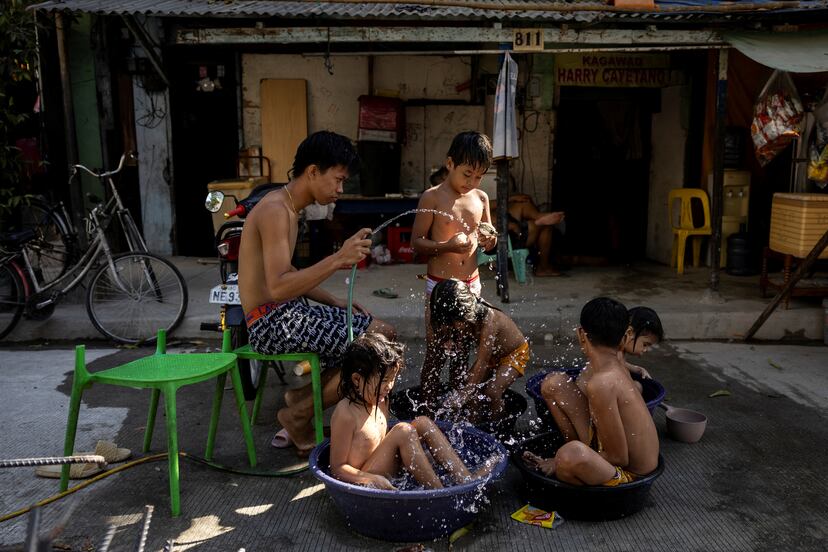
Heat-related health events in the Philippines climbed 121 percent this November, from 24 to 53 as of November 23, as the El Niño phenomenon drives temperatures upward and forces health authorities to expand surveillance and prevention measures.1
The Department of Health (DOH) has recorded 166 cases of heat stroke, heat exhaustion, and other heat-related conditions this year, according to data cited by the Philippine newspaper Manila Bulletin..1 The 166 cases is 49% lower than the 326 cases reported last year.1
Definitions And Comparisons
The Department of Health explained that a “health event” is an occurrence in which an illness appears or could develop..1 The Department of Health explained that a “case” is a person who meets the criteria for surveillance and outbreak investigation.1
The Department of Health added that before 2026, some heat-related illnesses were recorded without specifying whether they were heatstroke or heat exhaustion..1 The 121% increase in events and the 49% decline in cumulative cases are not directly comparable because of differences in definition and recording.1
PAGASA Heat Warning And El Niño Outlook
The Philippine Atmospheric, Geophysical and Astronomical Services Administration (PAGASA) warned Puerto Princesa, Palawan and other areas of “danger” level heat indexes on Saturday, November 28.1 PAGASA expects El Niño to remain very intense through November, reach its peak before the end of 2026, and persist through the first quarter of 2027.1 PAGASA’s effects will likely extend across the first half of next year, keeping heat-related pressure on the health system for months.1
The Department of Health said it is further strengthening its epidemiological surveillance system, including the disaggregation of the Human Risk Index (HRI).1
Public Guidance And Climate Context
The public guidance accompanying the warning is to drink eight to ten glasses of water a day during intense heat, open doors and windows to ventilate enclosed spaces, wear light-colored clothing and limit physical exertion during the hours of strongest sunlight.1
El Niño stems from the abnormal warming of surface waters in the tropical Pacific Ocean..1 The shift disrupts weather patterns, producing heavy rains and flooding in some regions and extreme drought in others..1 Sustained heat raises the risk of heat exhaustion and heat stroke, the conditions the Philippine health system is now tracking more closely.1
For Philippine officials, the coming months will measure whether a stronger surveillance system can keep pace with a hotter climate..1 With El Niño peaking before the end of 2026 and lingering into 2027, the November figures may mark the beginning of a longer trial rather than its end.1