
Key facts
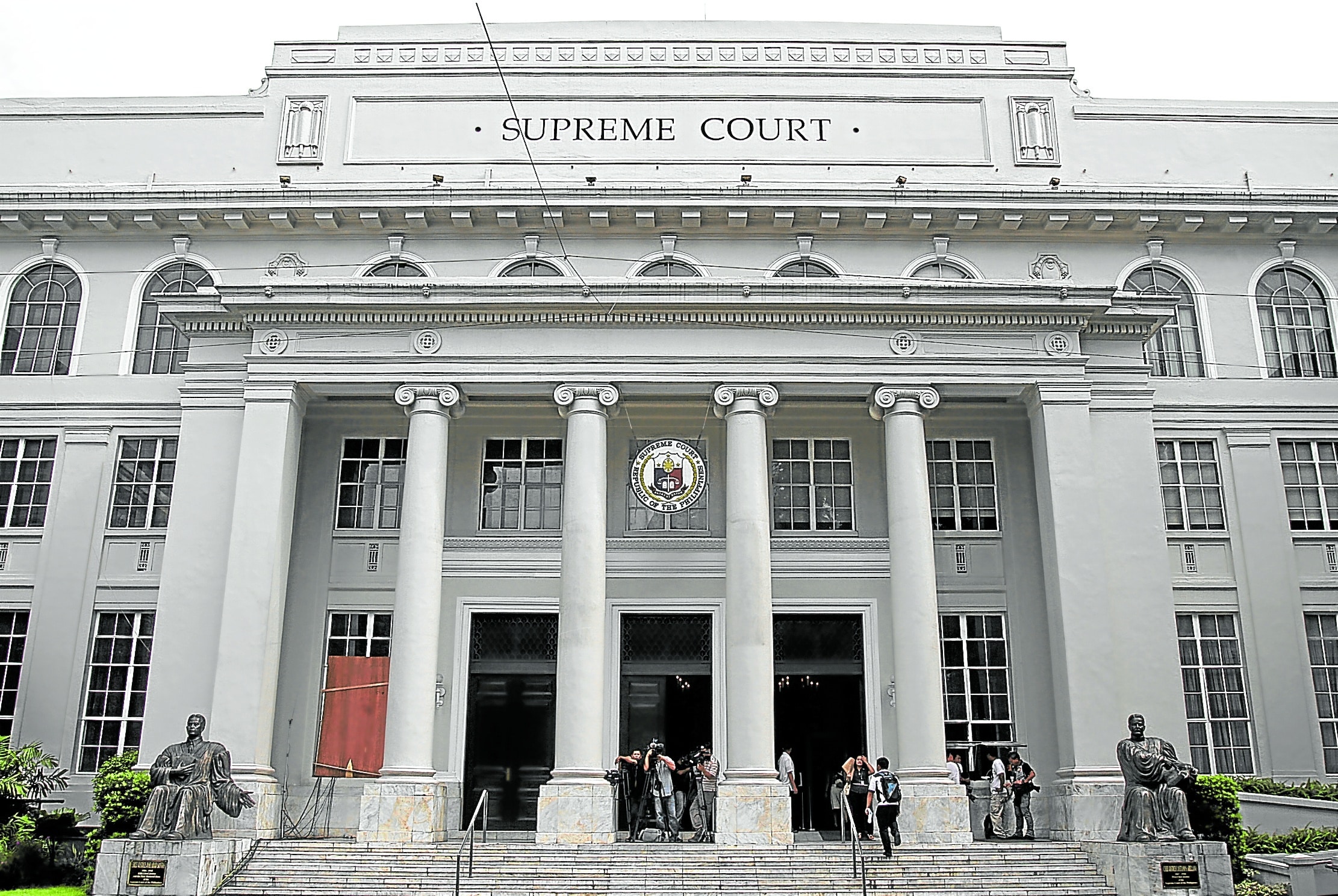
The Supreme Court acquitted Jade Karla Tan of cyberlibel.1
The high court released a 16-page ruling in January, reversed the conviction of Tan by a regional trial court and the Court of Appeals in 2019 and 2022, respectively.1
The issue stems from a failed business plan by Tan’s family to put up a fast-food restaurant.1
What the post said
Tan posted on social media in January 2016.1
The supposed attempt to get padulas (grease money) to secure business permits was blamed for that business plan to fall through..1
The Supreme Court has acquitted of cyberlibel an individual who posted on social media the alleged extortion attempt of a town mayor in Quezon province when her family sought permits for a planned fast-food chain business.1 The official targeted by Tan’s post had not been named.1
The Supreme Court said the petitioner’s statements were indeed “defamatory in] nature.”1
The Supreme Court noted that the person she was referring to was asking for padulas or grease money before the necessary permits are issued to them.1
Court’s reasoning
The Supreme Court noted that while Tan’s statements may have been offensive, the prosecution had failed to prove actual malice.1
The Supreme Court said the petitioner should be acquitted of the charge of cyberlibel for failure to prove the element of actual malice beyond reasonable doubt.1
The Supreme Court cited subsequent apologies by Tan, including a post on Facebook and a billboard mounted on the site where the fast-food restaurant was supposed to be built.1
Justices' opinions
In its ruling penned by Associate Justice Jhosep Lopez, the high court said the petitioner’s statements were indeed “defamatory nature.”1
Lopez pointed out that the decision to abolish or continue recognizing libel or cyberlibel as a crime rests with the Congress.1
The Supreme Court could only apply such laws as long as they are within the bounds of the Constitution, he said.1
Senior Associate Justice Marvic Leonen, in his separate concurring opinion, did not mince words in saying he remained “doubtful” of the constitutionality of libel, especially if it involves criticism of public officers.1
“There can be no enlightened citizenry if citizens live with the fear of prosecution whenever they gain the courage to call out government wrongs,” Leonen said.